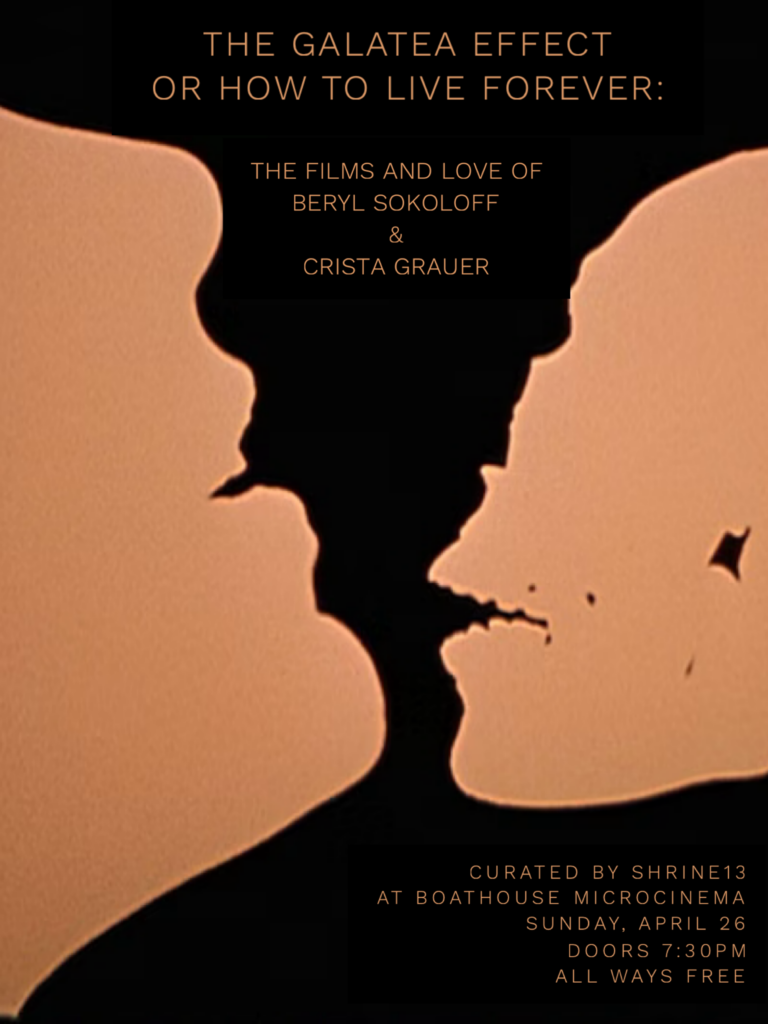
The Galatea Effect, Or How to Live Forever: The Films, and Love, of Beryl Sokoloff and Crista Grauer
Curated by Shrine13
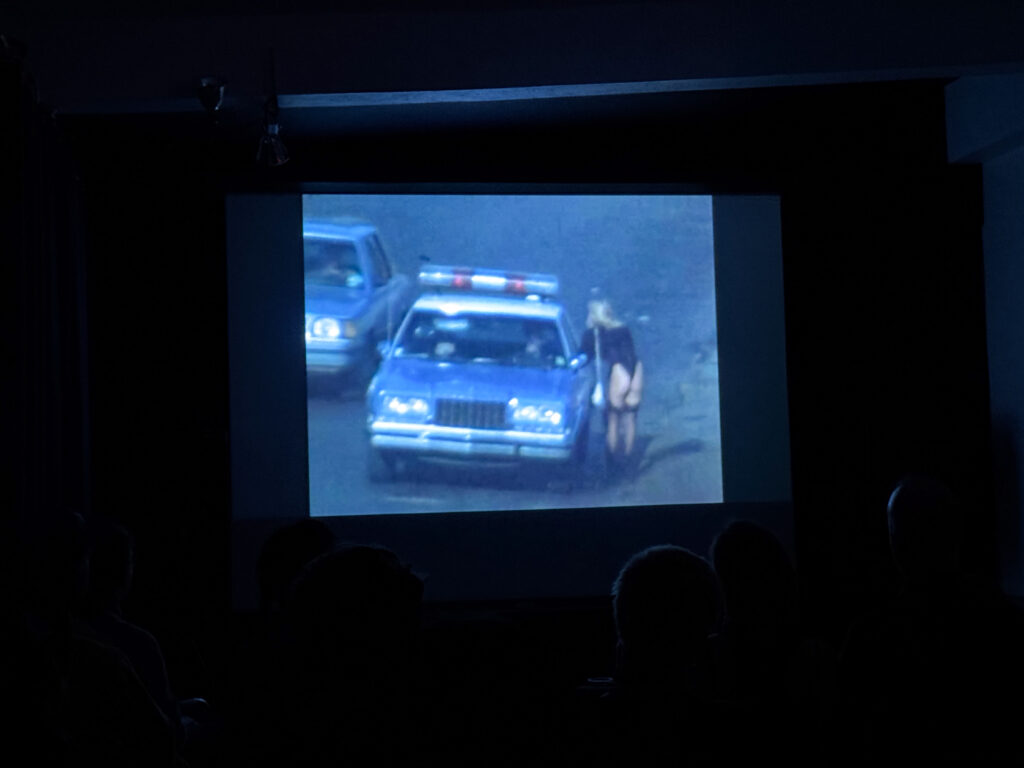
In ancient Greece, Pygmalion crafted a statue and named it Galatea, and he prayed for her to come to life. When she came to life, Pygmalion and his story became a myth that lives forever. It’s that Galatea Effect that frames this evening of experimental and documentary films by Beryl Sokoloff and Crista Grauer, curated by Shrine13. For the past decade, artist and filmmaker Crista Grauer has been preserving the nearly 100-film archive of her late partner and collaborator Beryl Sokoloff, including the films they created together. Their films are an ecstatic mesh of experiments in documentary filmmaking created from 1964 onward. Today, they are a treasure trove on celluloid, documenting beloved cities including their home, NYC, and the frenetic explosion of humanism across the anthropocene. Beryl inspired Crista to become a filmmaker, but Crista’s preservation work is allowing Beryl to live forever; that’s the Galatea Effect.
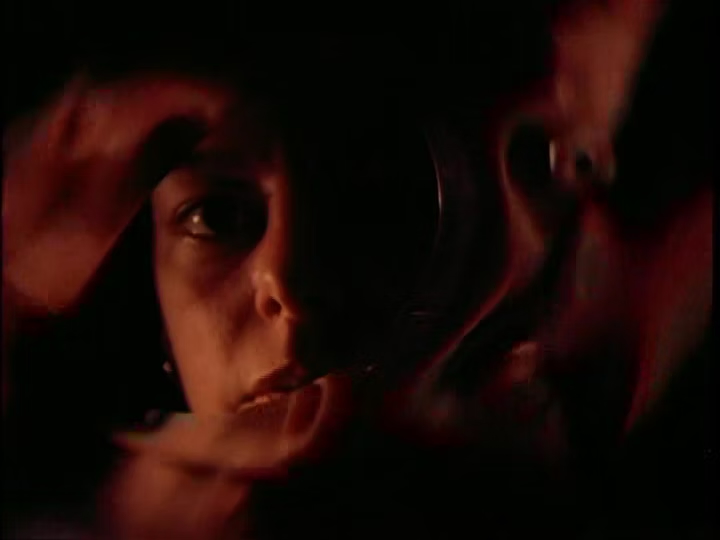
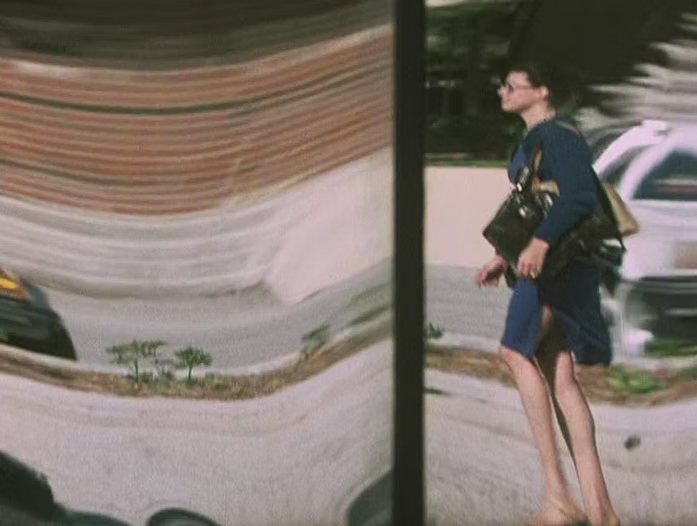
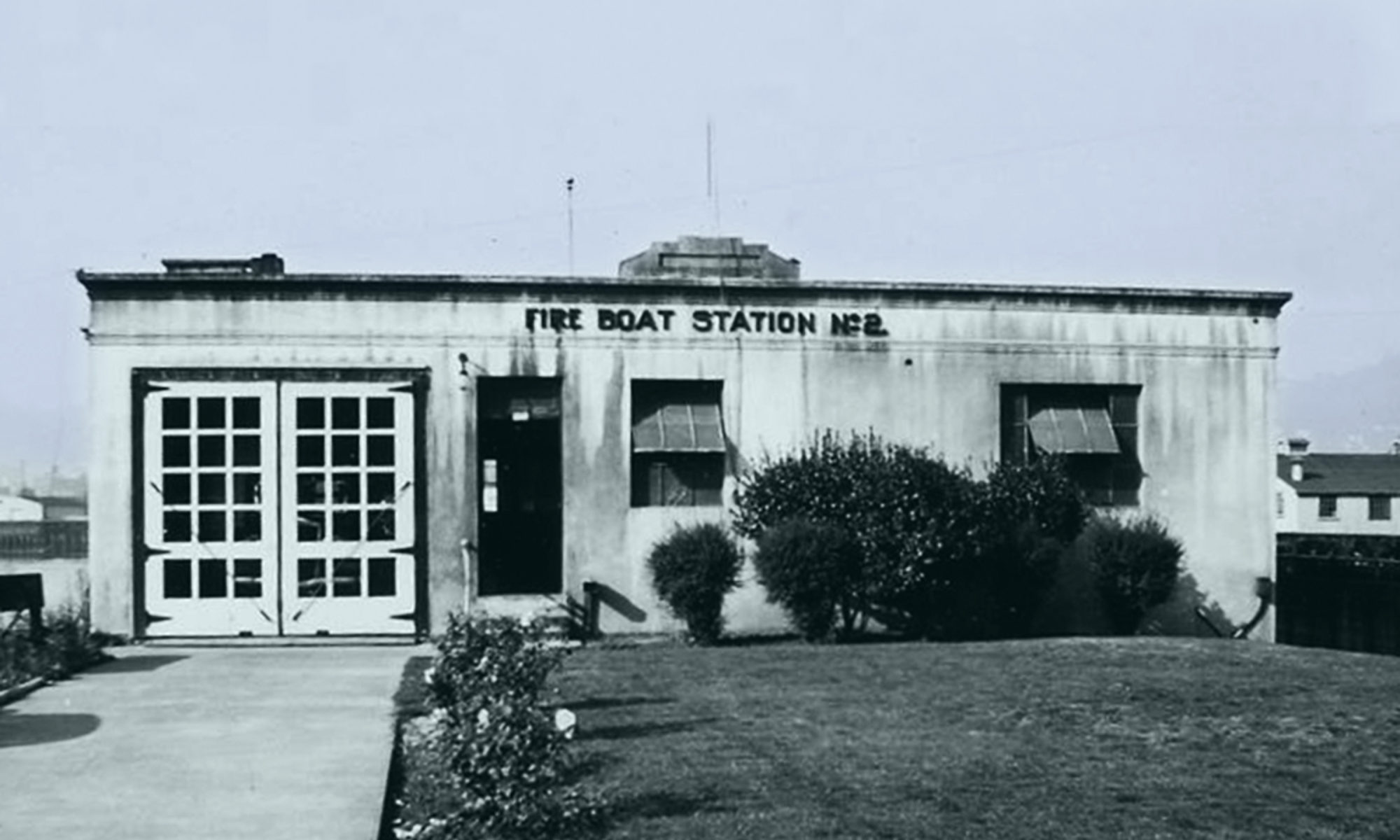
Beryl Sokoloff (August 13th, 1918 – September 11th, 2006) was a cellist, a painter, a photographer, and a photojournalist but, primarily, he was a filmmaker. In the mid-’40s Sokoloff lived and painted in intellectually charged Greenwich Village. It was an inspiring period for him, full of new ideas and artistic encouragement from his friends Reuben Kadish and Jackson Pollock. In 1960 he started making films. He studied the films of Sergei Eisenstein and early cinema, and learned from his friend Hy Hirsh’s experimental films. He started shooting 8mm and made 32 films in four years. In 1963 he received a grant from the Lannan Foundation and, with it, bought his 16mm Bolex camera. Beryl made a total of almost 100 short films in both 8mm and 16mm. He worked for 40 years as an independent experimental filmmaker, and he filmed a range of subjects, artists and their work (like MURAL on Catalan artist José Bartolí), eccentric architecture, and his city of New York, that was his inspiration and muse – his approach to the city as it was in the ’60s to the ’90s brings to them an unintended historical value, especially in his early work. In New York, he made three films with his partner, artist Crista Grauer: NECROMANCIA, a world of dreams’ imagery; CROMOCROME, as much about color as the subject matter; and AUTOMATA, in which mechanical figures take over the city. In 2011, 2013, 2015, 2017, and 2019, Beryl Sokoloff’s films have been awarded grants from the National Film Preservation Foundation to make new preservation and exhibition prints.
As the archivist and curator Jon Gartenberg wrote to introduce a screening of Sokoloff’s films at the Anthology Film Archives in 2009: “…Sokoloff’s filmmaking style lies on the dividing line between documentary and avant-garde film. His films can be viewed in the experimental filmmaking tradition with links in filmmaking technique to Bruce Conner, Stan VanderBeek, Francis Thompson, and numerous other artists, but distinct from those artists in terms of cinematic style and strategy…”
Crista Grauer was 9 when she had her first museum experience at the Albright Knox, where she went to take Saturday morning classes. The museum was part of her life while growing up in Buffalo, NY. In 1959 she studied drawing and painting with Nerina Simi in Florence, Italy; and in 1971 she had a one-person show at Galleri Heland, Stockholm, Sweden. Coming to NYC and studying at Parsons School of Design was another key experience. In 1964 she met filmmaker Beryl Sokoloff, who was to become her life partner and at times an artistic collaborator. After seeing his work, she became very inspired by experimental film. She was able to funnel her experience as a painter and her interest in sculpture, collage and film into a unique form she calls “Motorized Boxes”. They have been the core of her artistic output ever since, even if her art sometimes branches out to other techniques, such as pottery, woodcuts or pieces that move by hand. Her work has been exhibited around the world including in The National Gallery and Silver Bow Arts. Grauer has spent the last decade preserving the Sokoloff film and art archive including winning grants from the National Film Preservation Fund to preserve prints and digitally distribute the films.
Artist Arlene Ducao writes for Bright Lights Film Journal, 2010: “Though they were born two decades apart, Sokoloff and Grauer developed strong artistic similarities early in their lives: a playful skepticism of authority, a love of modern urban life, and a strong non-Western influence. Both spent a formative amount of time outside the United States before they first met.”
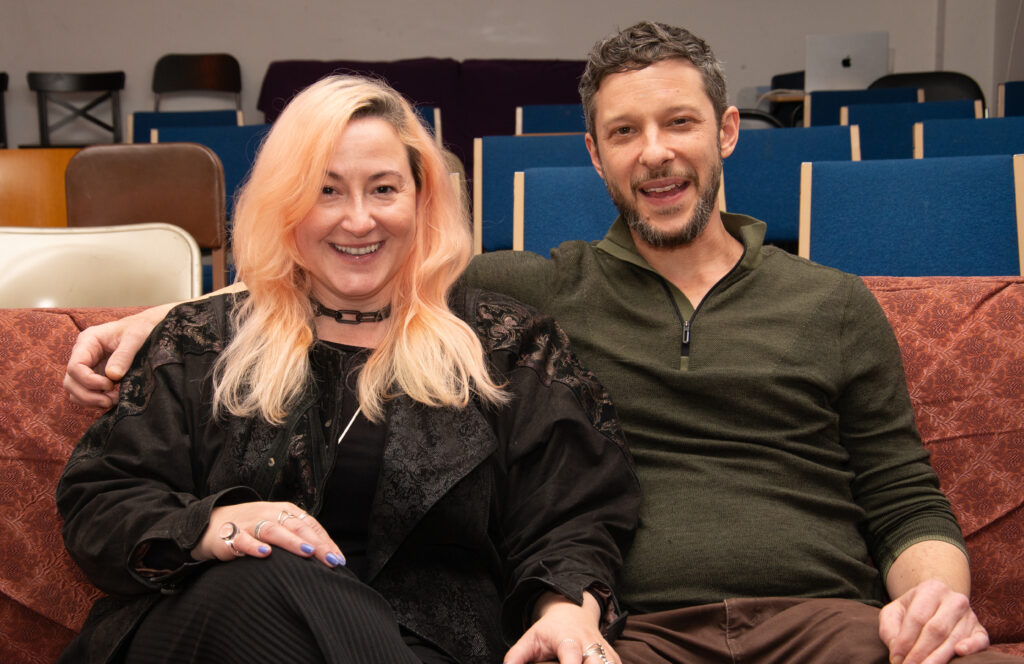
Shrine13 is a production house and creative association of self organized artists based in Portland, Oregon. Founded by artists Jessica Daugherty and Brad Hamers in 2016, the organization releases hand bound art and poetry books, experimental and spoken word records, music videos, podcasts, short and feature length films with an emphasis on experimental films and documentary/non-fiction, and produces and curates live performance and exhibitions. Projects include The Humming Prole, a book of poetry by Brad Hamers, documentaries including; The Living Theater Tour: Seven Meditations on Political Sadomasochism (dir. Jessica Daugherty, 2016), Fracking the System: Colorado’s Oil and Gas Wars (dir Brian Hedden, 2024), Over the Kitchen Table (dir. Nisha Burton, 2025), Pour the Water as I Leave (dir Daniela Repas, 2026), and podcasts Sonic Altar (Jessica Daugherty, 2020), The Khora (Dr. Stephanie Arel, 2022), and Bearing Witness: The Impact of Memorialization (Dr. Stephanie Arel, 2022). The curators were exposed to Crista Grauer’s work in New York in 2011, and have been friends and students of her and Beryl Sokoloff’s work ever since.